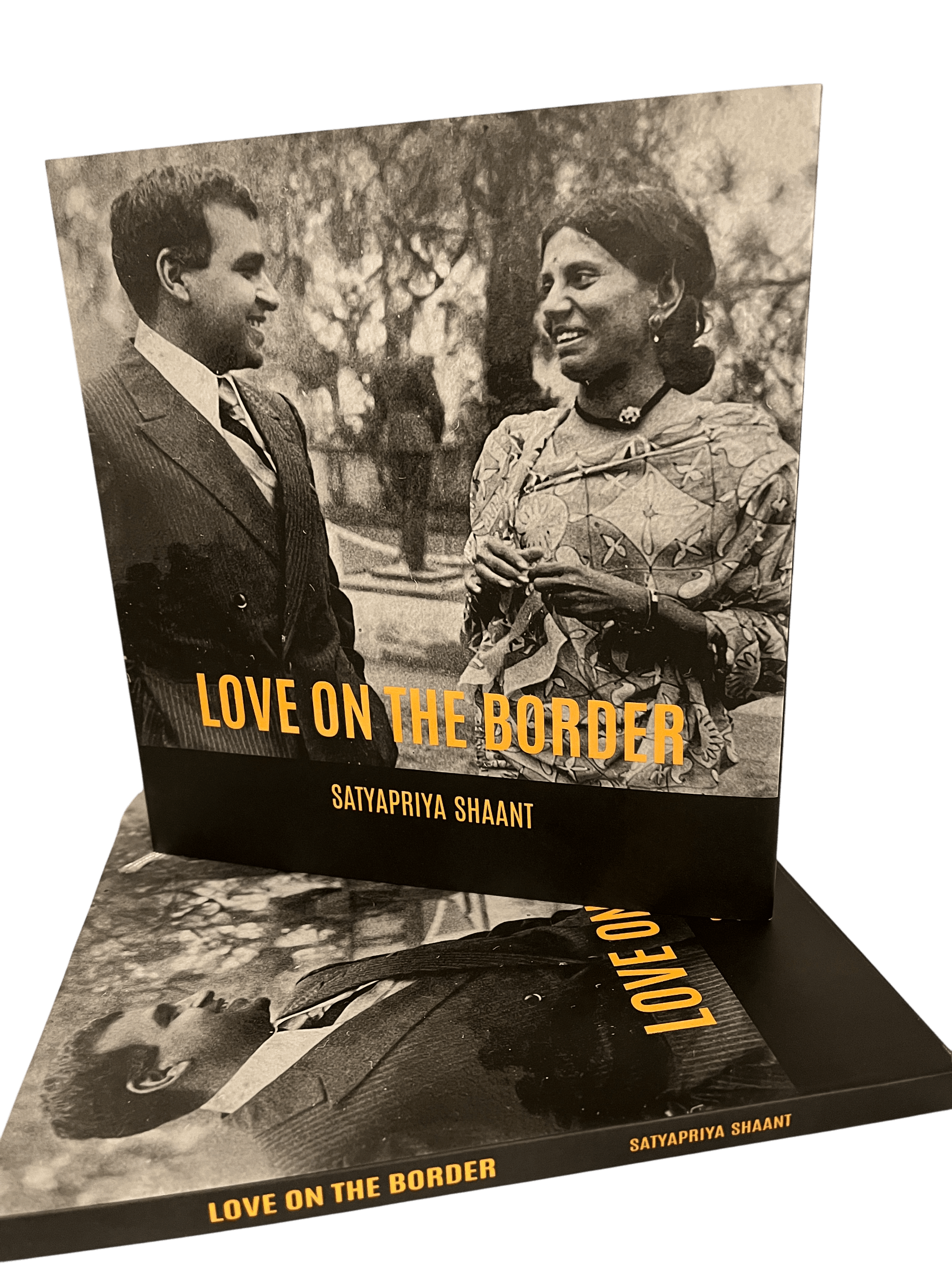
Love On The Border
A Story of Love Amid the 1971 Refugee Crisis
Introduction
The Bangladesh Liberation War in the spring of 1971 forced millions to flee their homes.
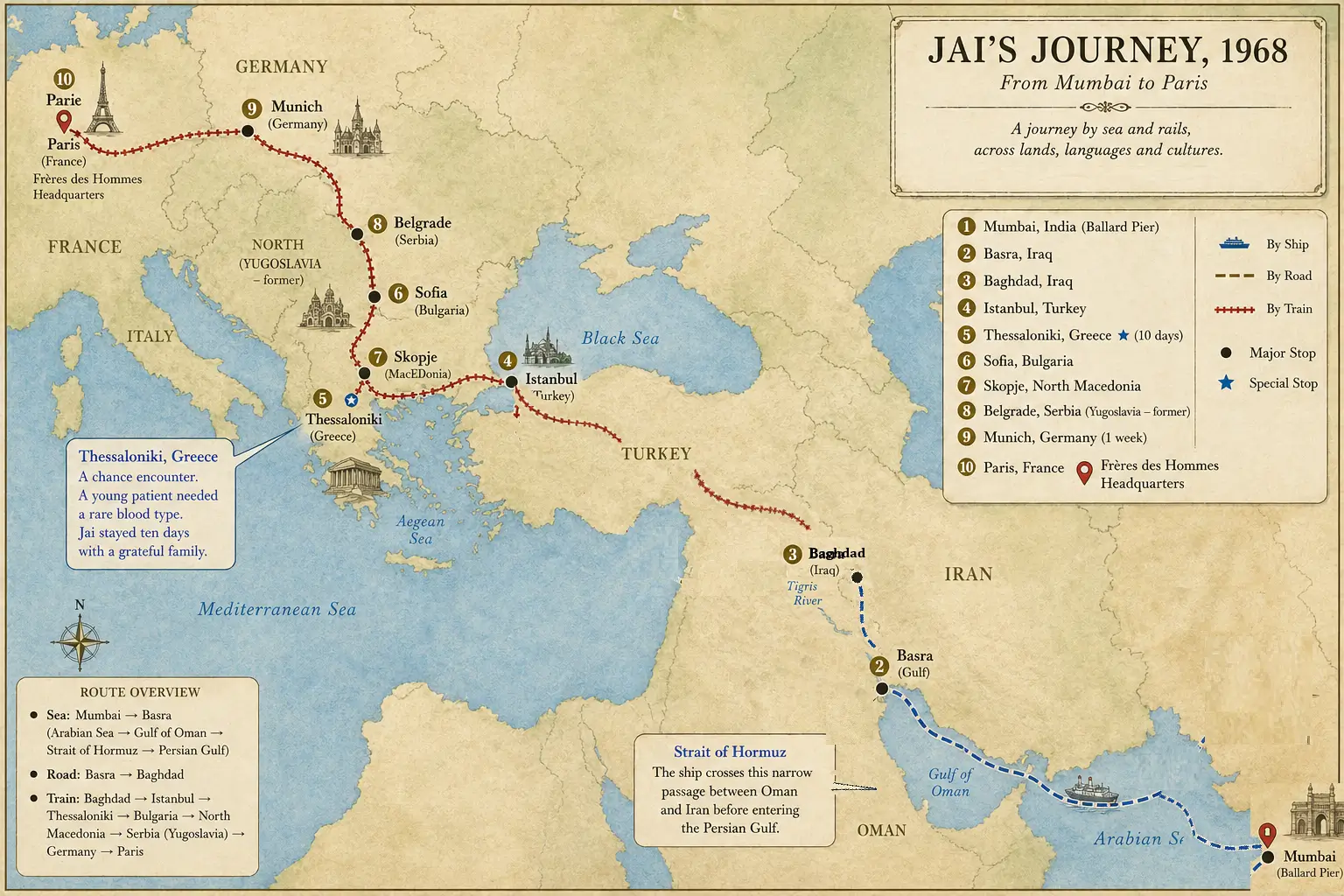
Three springs before that, in 1968, a young man waited at the dimly lit port of Mumbai to board a ship bound for Basra, Iraq. He had just left Kolkata, where he had worked with Frères des Hommes and the Missionaries of Charity alongside Mother Teresa. His plan was to experience Europe as he traveled onward from Basra by land and rail all the way to Paris, where he would spend time at Frères des Hommes’ headquarters before returning to his life of service at Hastings. He had little by way of possessions. But if you’ve been young once, you know that your biggest asset is always your earnest optimism.
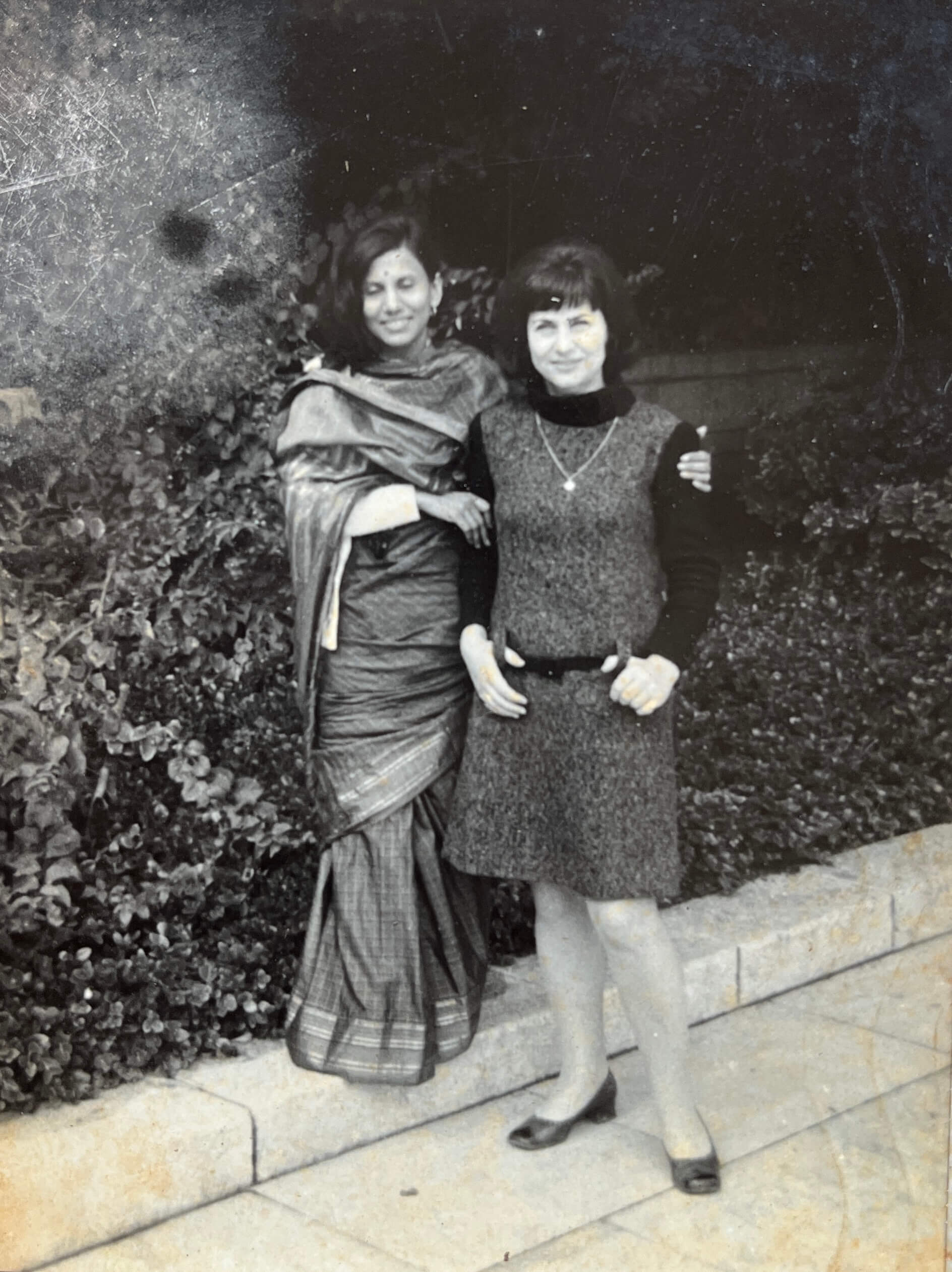
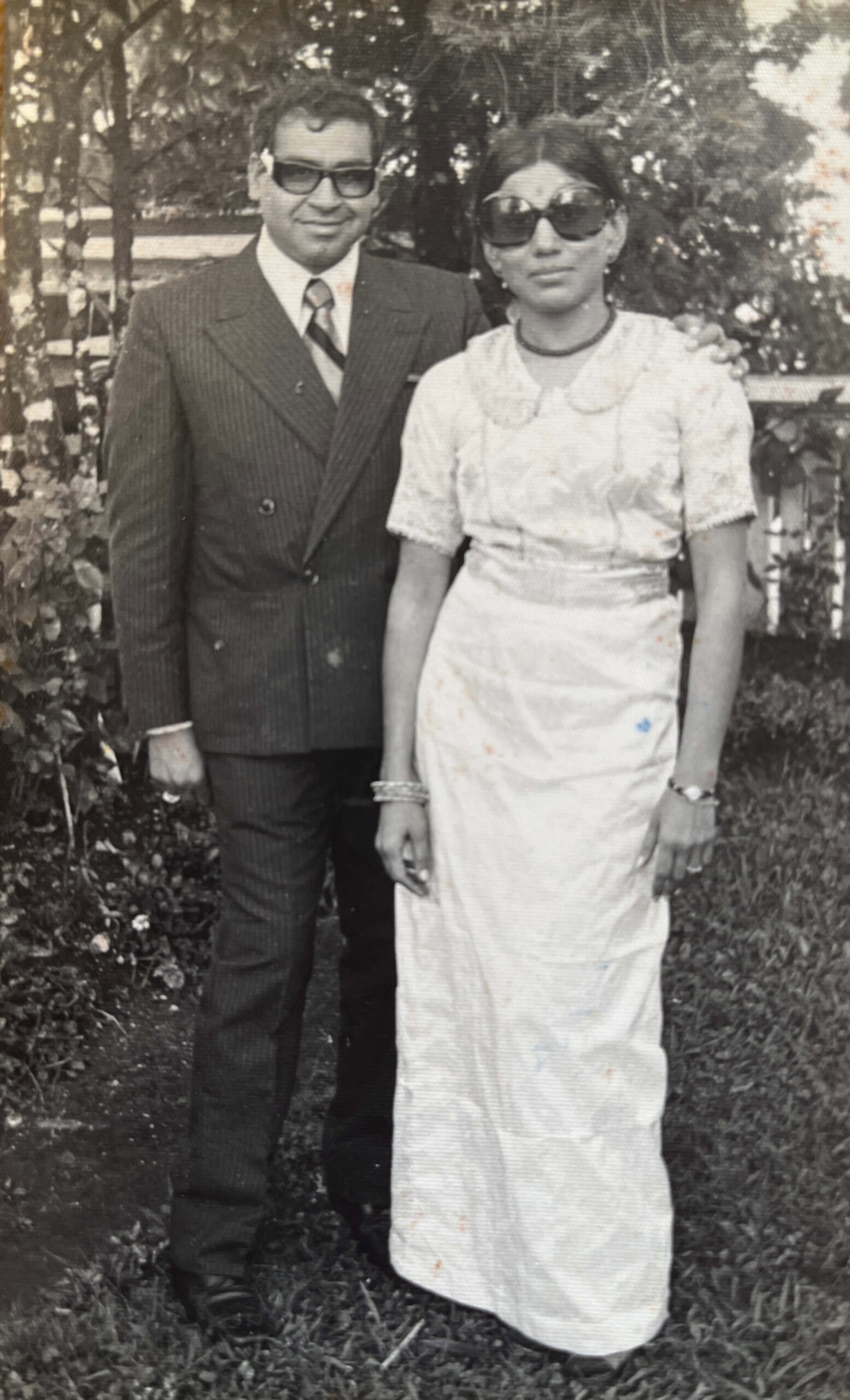
That same spring, a young woman returned to Mumbai from her trip to Israel. Getting off the local at Chembur, she made her way to her alma mater at the Tata Institute of Social Sciences, pushed her large brown sunglasses up on her forehead (her signature style), and got ready for another full day organizing volunteers, supplies, and donors. The comforts of the world she came from no longer held her attention. Her eyes only saw the fragile garden she was nurturing, a nation still in the making.
Then, as the Mukti Bahini issued its clarion call in 1971 for the liberation of the Bangla tongue, these two souls would find themselves working together on the border, offering hope amid loss and uncertainty across the expansive and already once-scarred plains of Bengal.
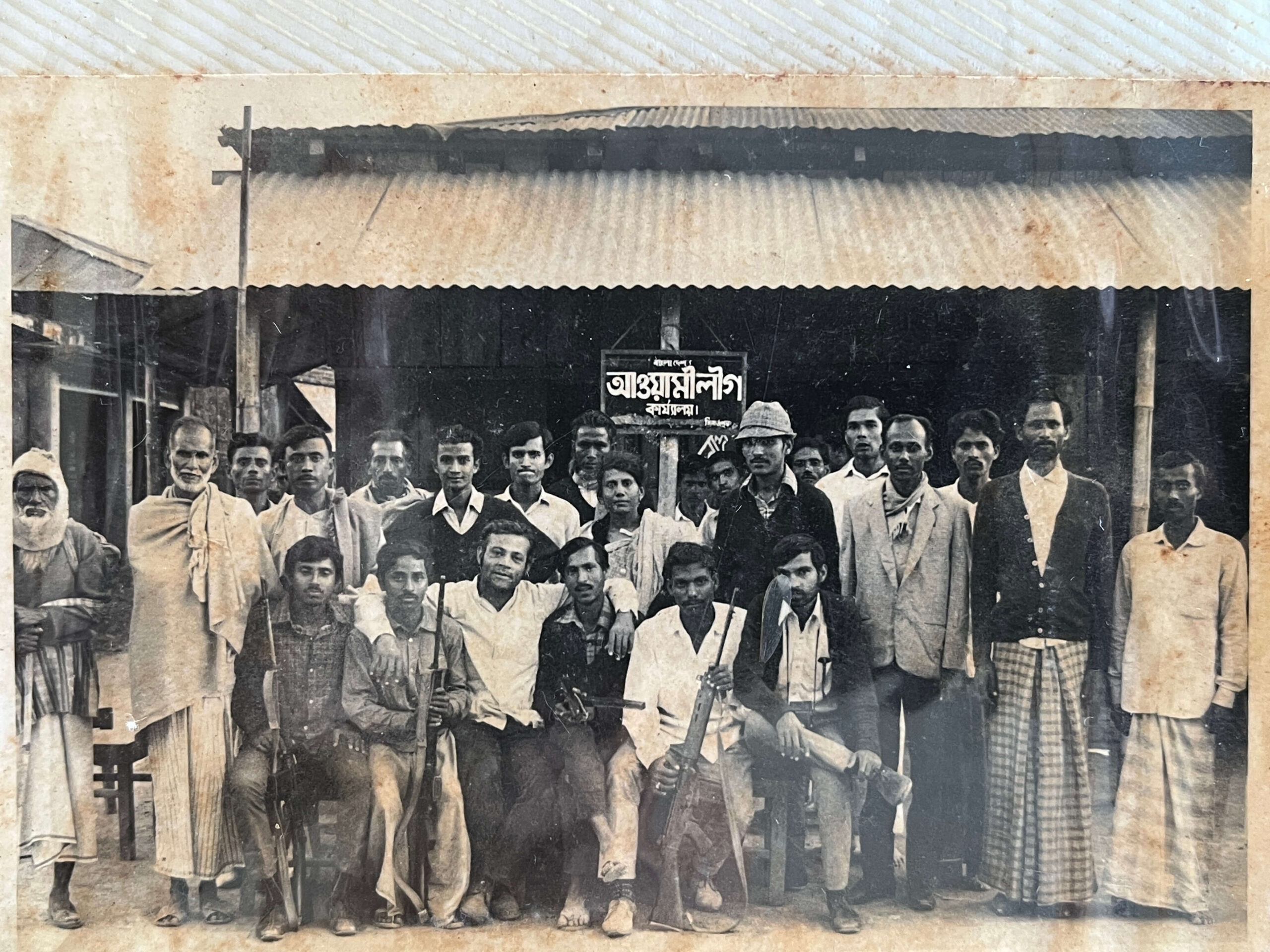
From constructing makeshift bridges over rising waters, to touring a war zone with eyes watching from the trees, and to stealth money collection in the dead of night, Love On The Border is a true story born from rain-soaked muddy days, the dim glow of lanterns under tarpaulin roofs, and the crackle of countless longing fires.
Chapter 1: Wager On The Bridge
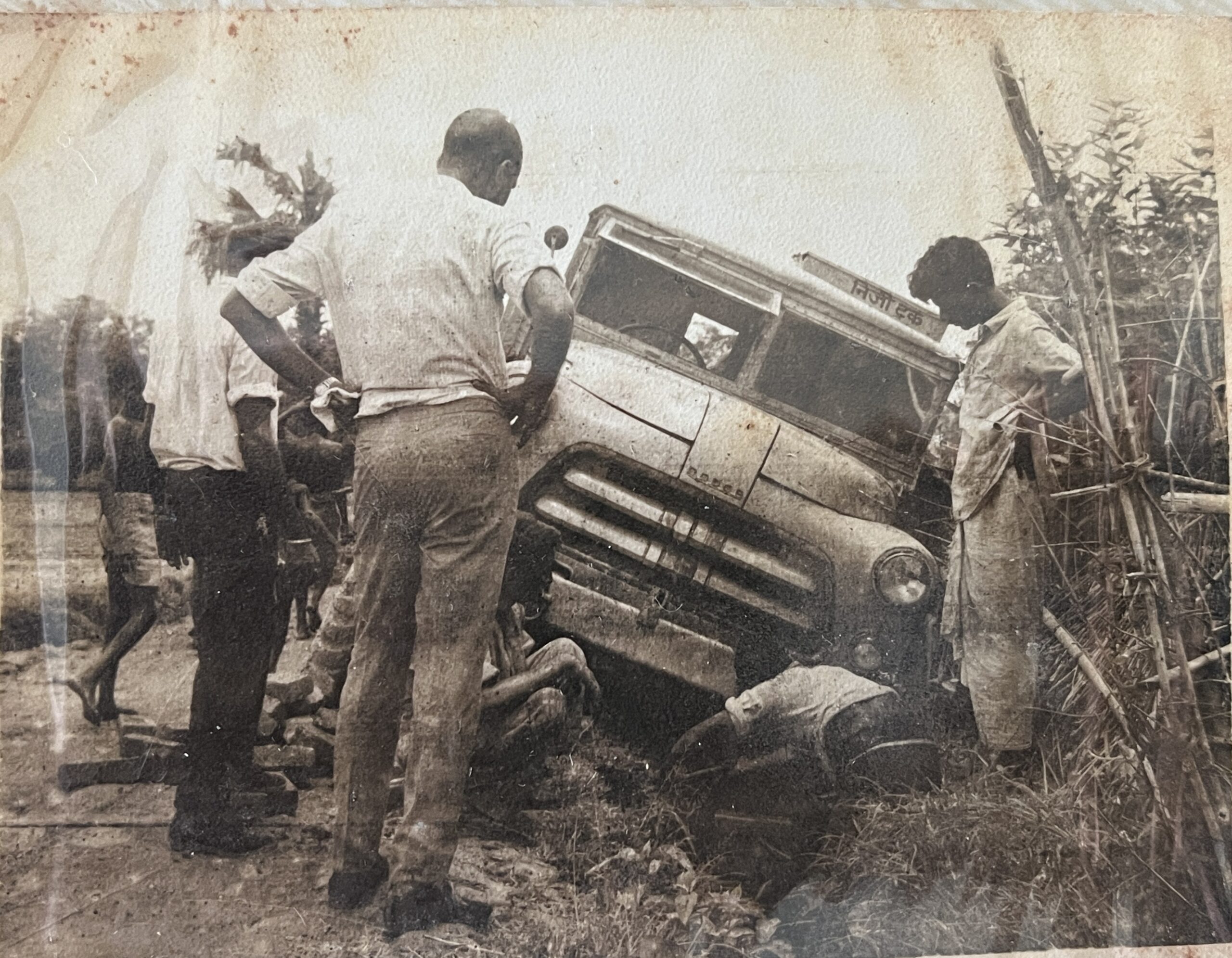
Jai stood at the edge of a flooded canal in the middle of the refugee camp he was in-charge of building. Supplies were piling up and there was no safe way across. The first bridge they had built had been washed away, no match for the rapid currents. Their second bridge, thrown together with Hume pipes, mud, and bamboo, was almost ready but needed to be tested. Jai invited ADM D to do the honors, but he challenged Jai in turn to prove that it will hold. So Jai took the wheel himself. Veena watched with baited breath from across the camp as Jai lined up the jeep, moved a few inches forward for good luck (his signature), then backed up preparing to drive onto the creaking bridge if you could call it that. A large crowd has gathered, waiting in hushed silence to see if he'd make it across.
Chapter 2: Mumbai
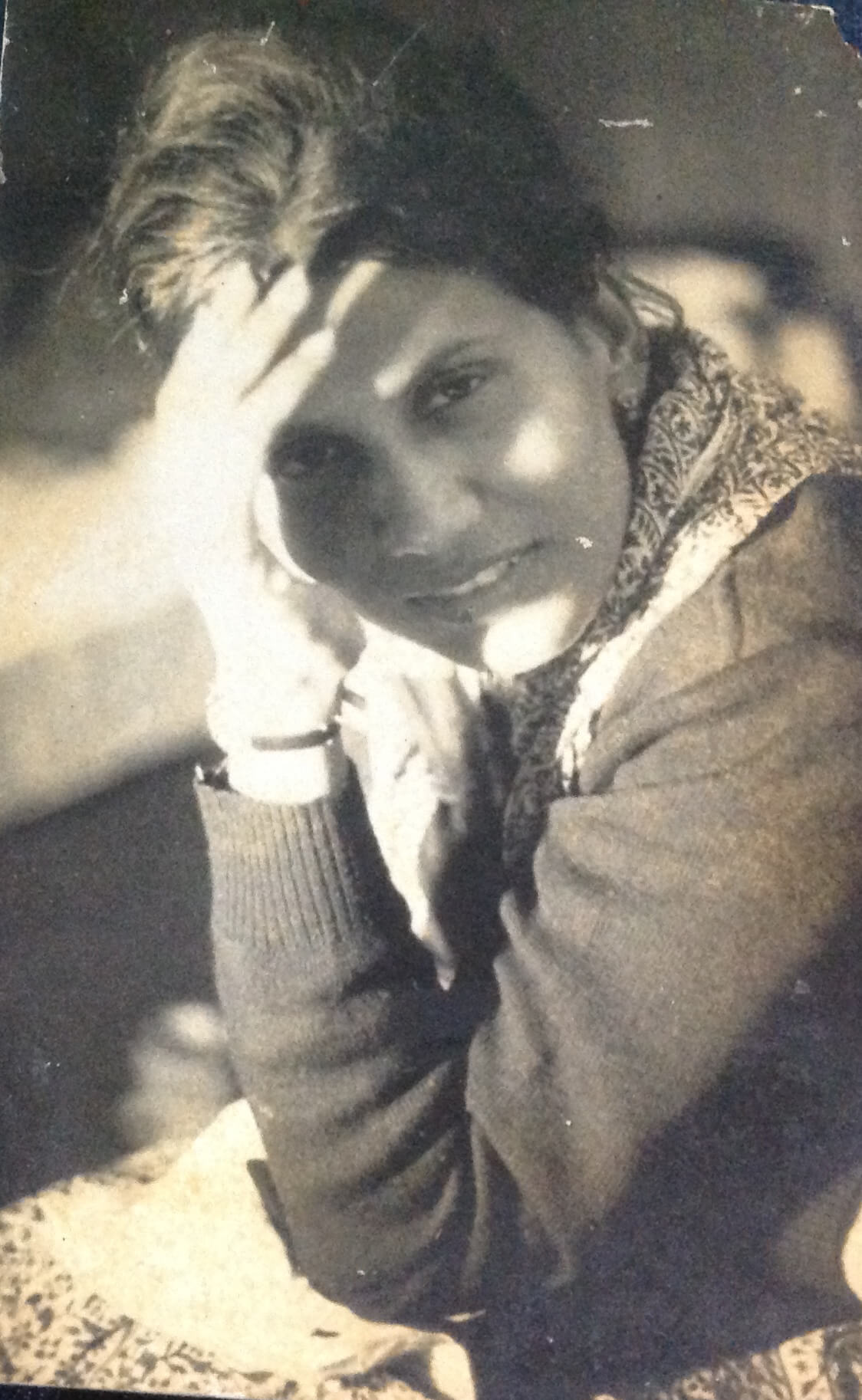
Even as the Mukti Bahini issued its clarion call for liberation of its motherland, Veena had just got off the local train at Chembur, Mumbai and was walking into her office at the Tata Institute of Social Sciences. She's wearing her big brown goggles that are now pushed up her forehead as she always did when we was getting ready for a challenge. This busy Mumbai morning she's still carrying many unfinished ideas from her trip to Israel where she was one in five chosen by the PM to visit and learn new ways to build communities. Veena is eager to translate them into something real in India. Then the phone rings. This time it would pull Veena away from Mumbai entirely and toward a border she has only seen in newspapers.
Chapter 3: Paris
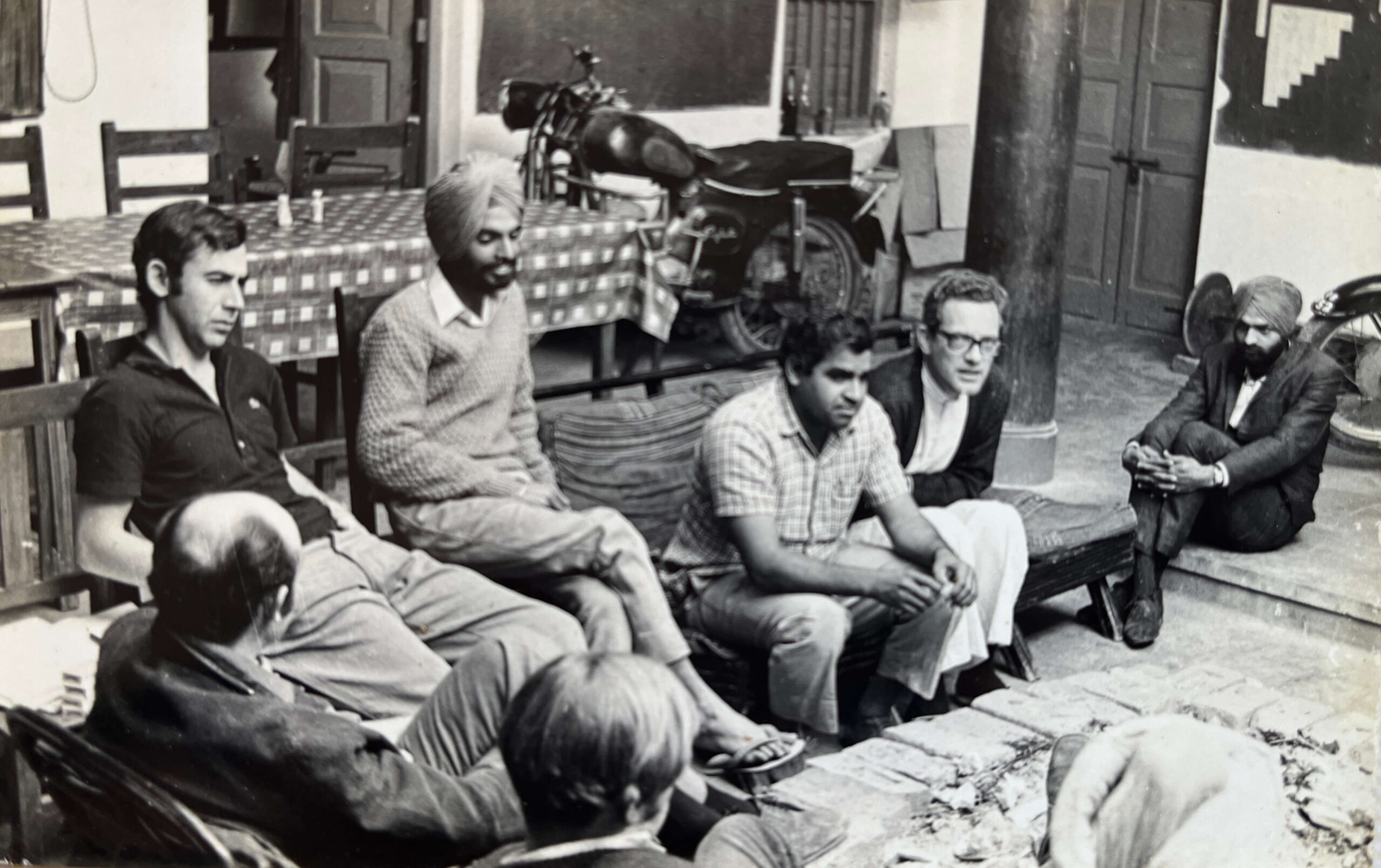
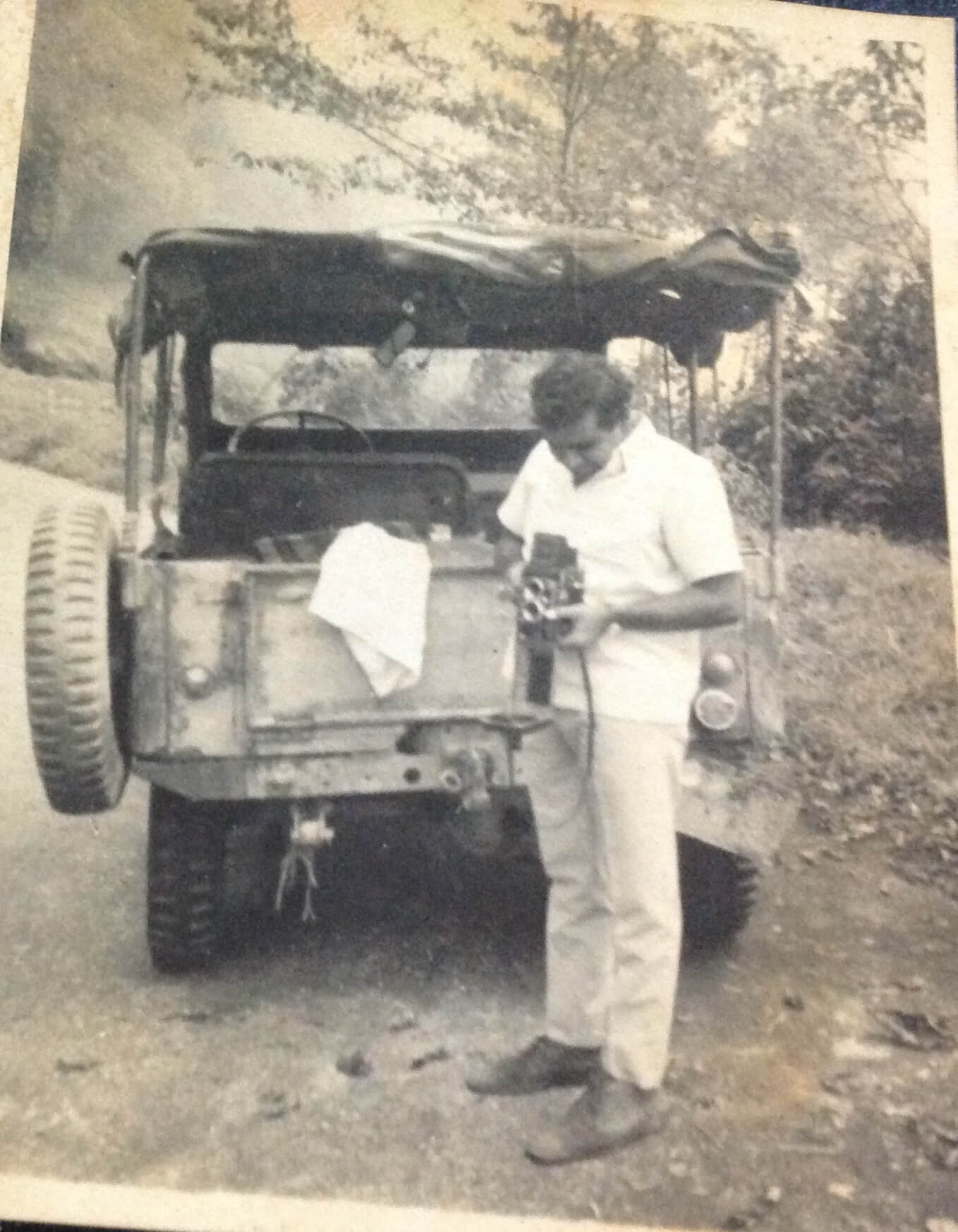
Jai stands at the Mumbai port with a sea ticket to Basra in his hand, a backpack on his shoulder, and a plan to somehow find his way to Paris by road. After an exciting journey through Turkey, Greece, Bulgaria, and what was then Yugoslavia, he pulls into Munich, and then takes a train to Paris. It is outside a café in Paris near Trocadéro that he meets Pierre, a chance conversation that quickly turns into something larger, drawing him into Frères des Hommes’ work in London and, over time, into fundraising and corporate engagements. Yet the sounds and smells of the Hooghly and the desire for service would pull him back. Now, back at his Kolkata office 3 years later, that past folds back in as Jai opens a brief, note from Mother Teresa. It has the classic succinct tone he's come to expect from Mother: “Come meet me. Work on border.”
Chapter 4: Eyes In Trees
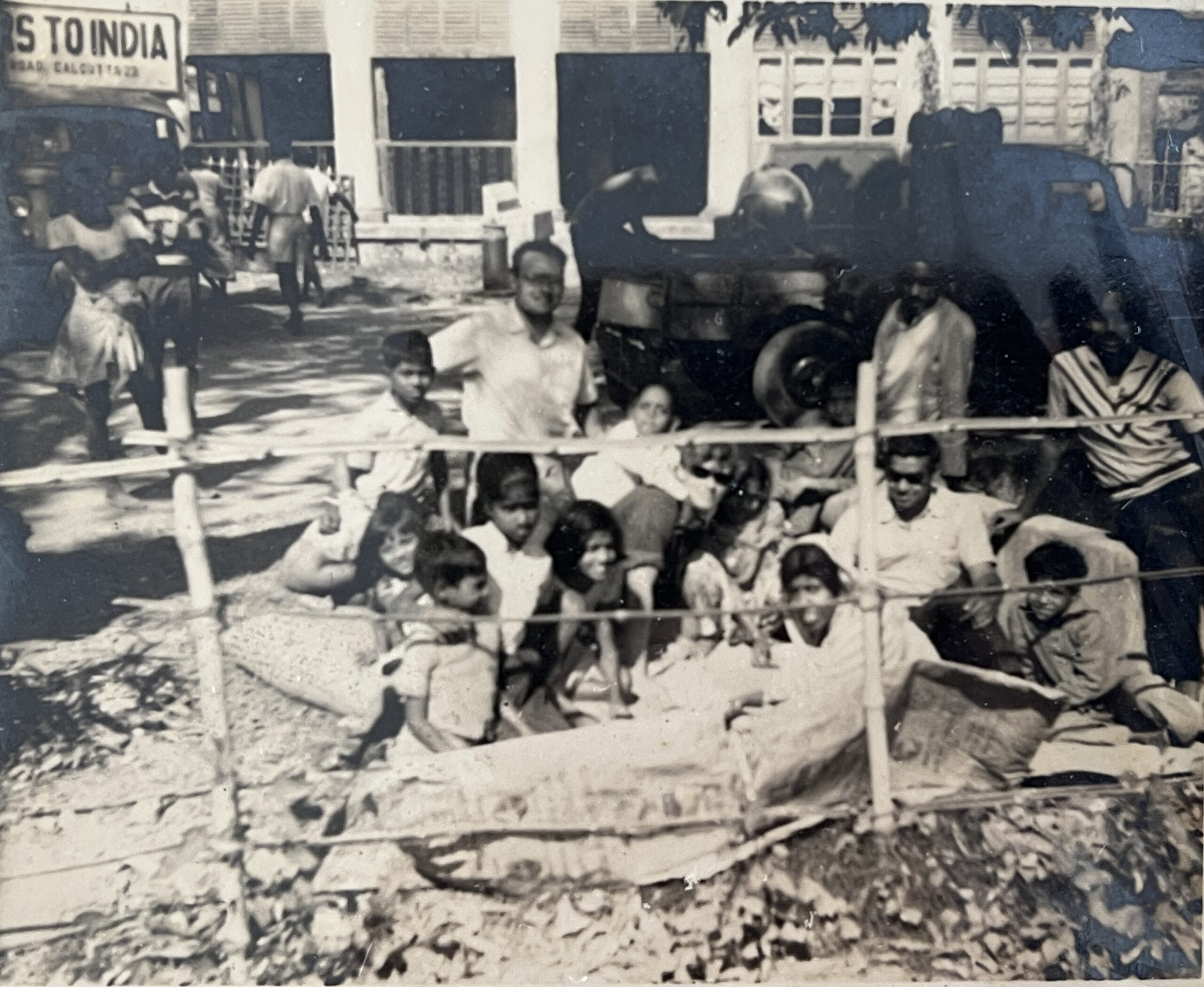
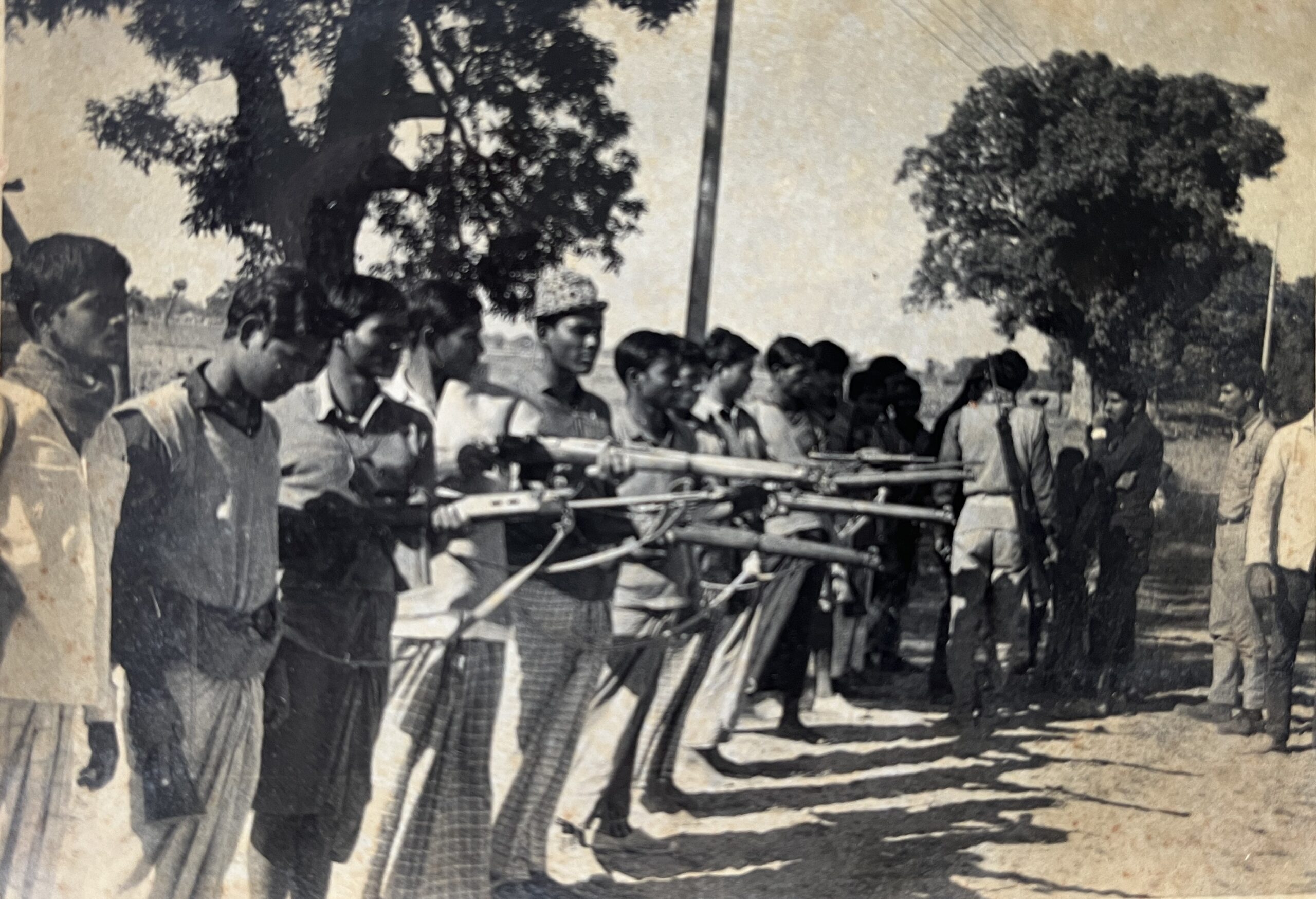
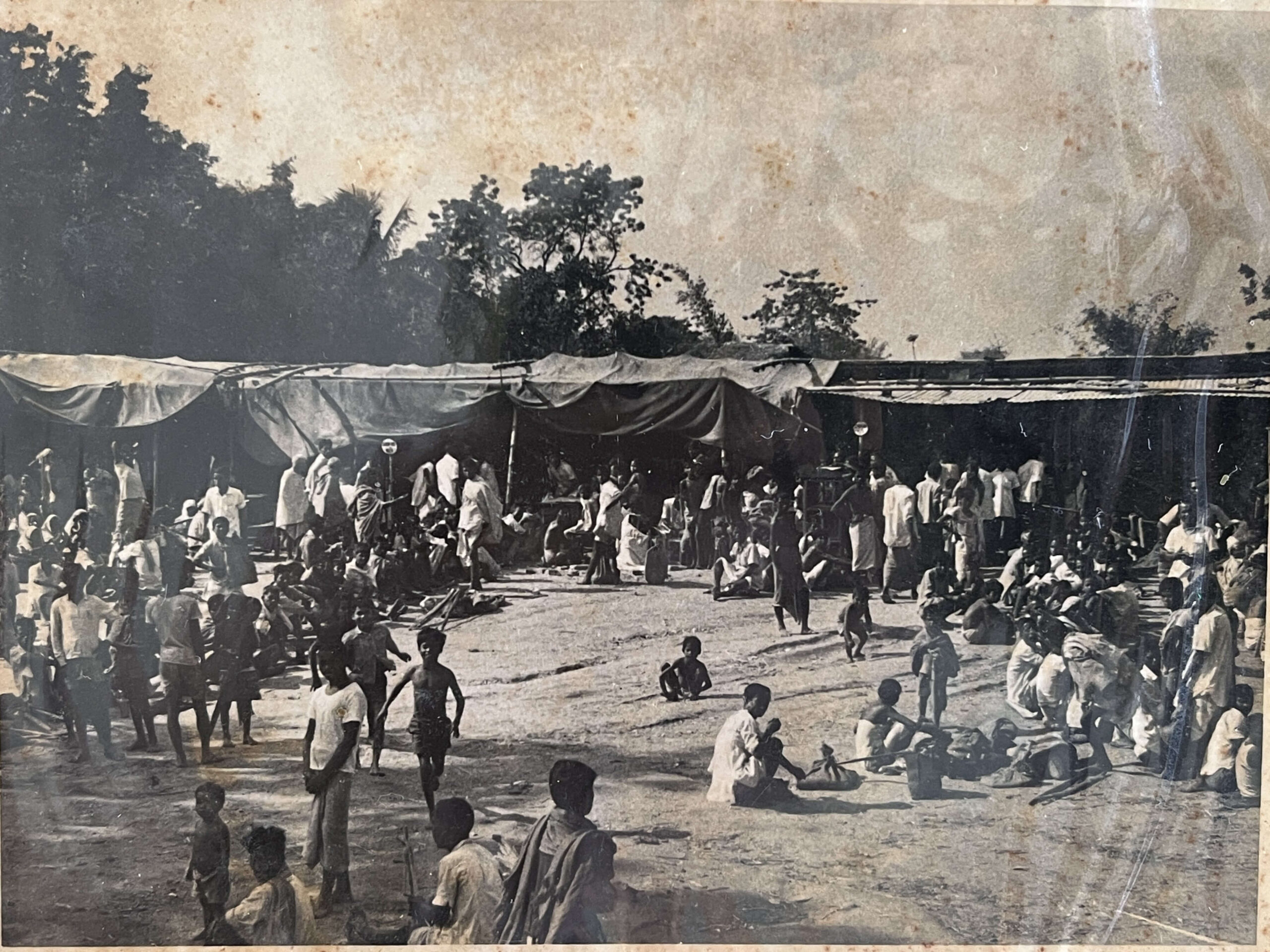
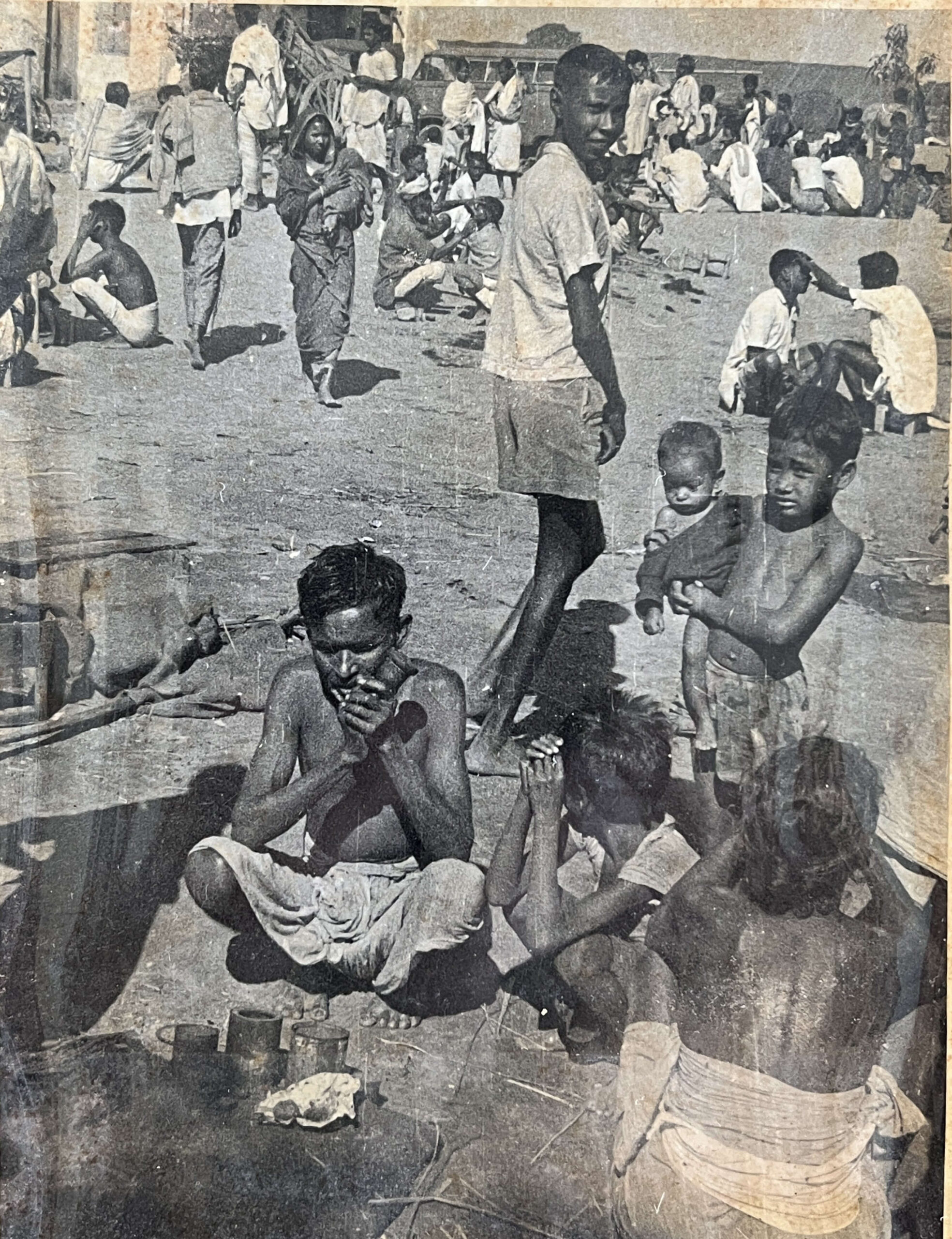
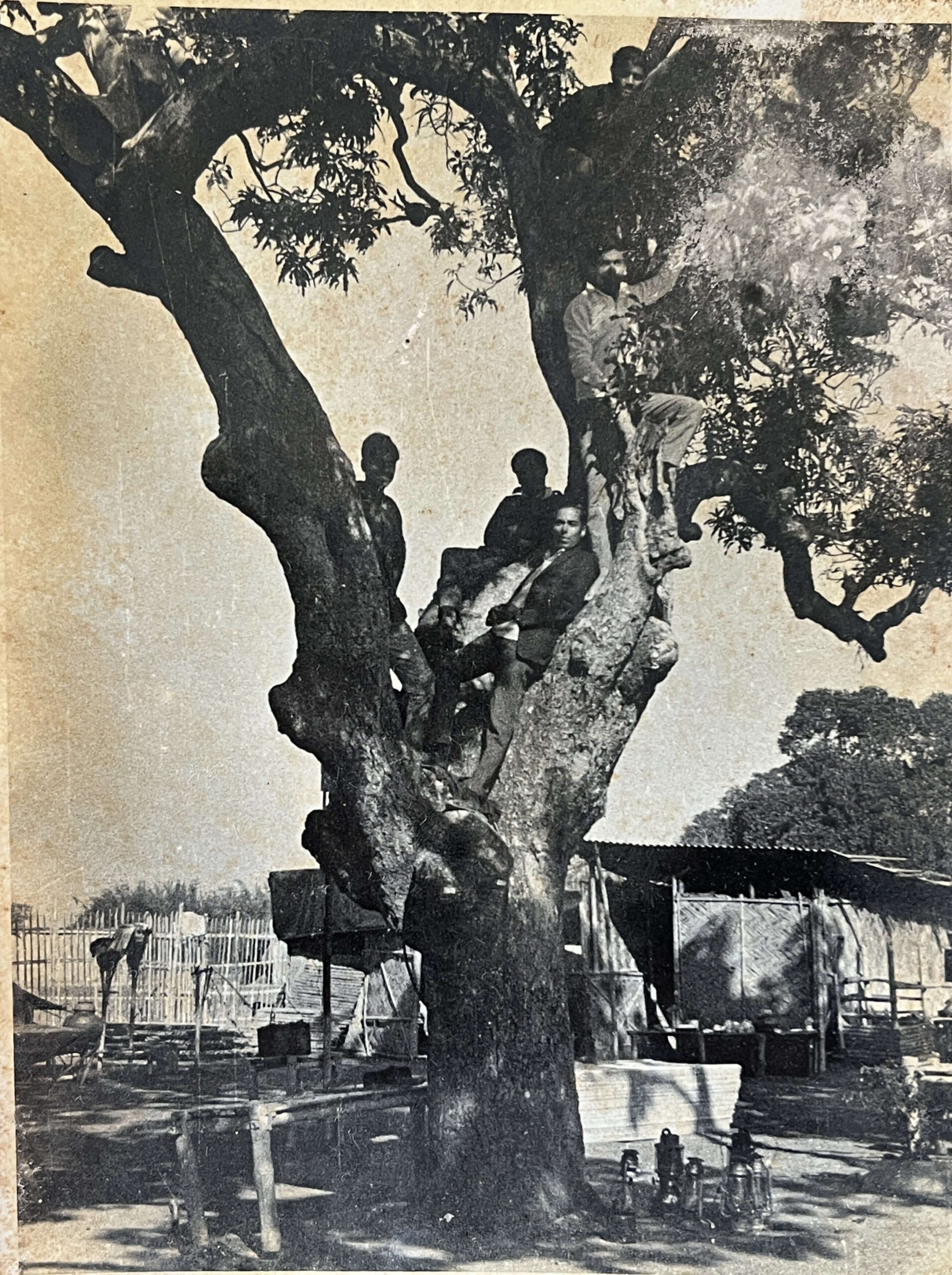
Veena and Jai meet in Raiganj, the site of the camp they are tasked to build. It's already full of bamboo-and-tarpaulin structures and humming with urgency. Neither misses the weight of what they are stepping into. By afternoon, Colonel B has them in a Jonga jeep, heading toward the border to see the ground they are about to reshape. The road thins into fields, then into lines of people moving in silence, until the landscape itself feels unsettled. Mukti Bahini fighters watch from the trees as they cross into the outer edge of control. Veena speaks to a mother with family and children in tow, and the magnitude of what's happening comes crashing down like a tidal wave.
Chapter 5: Building Raiganj
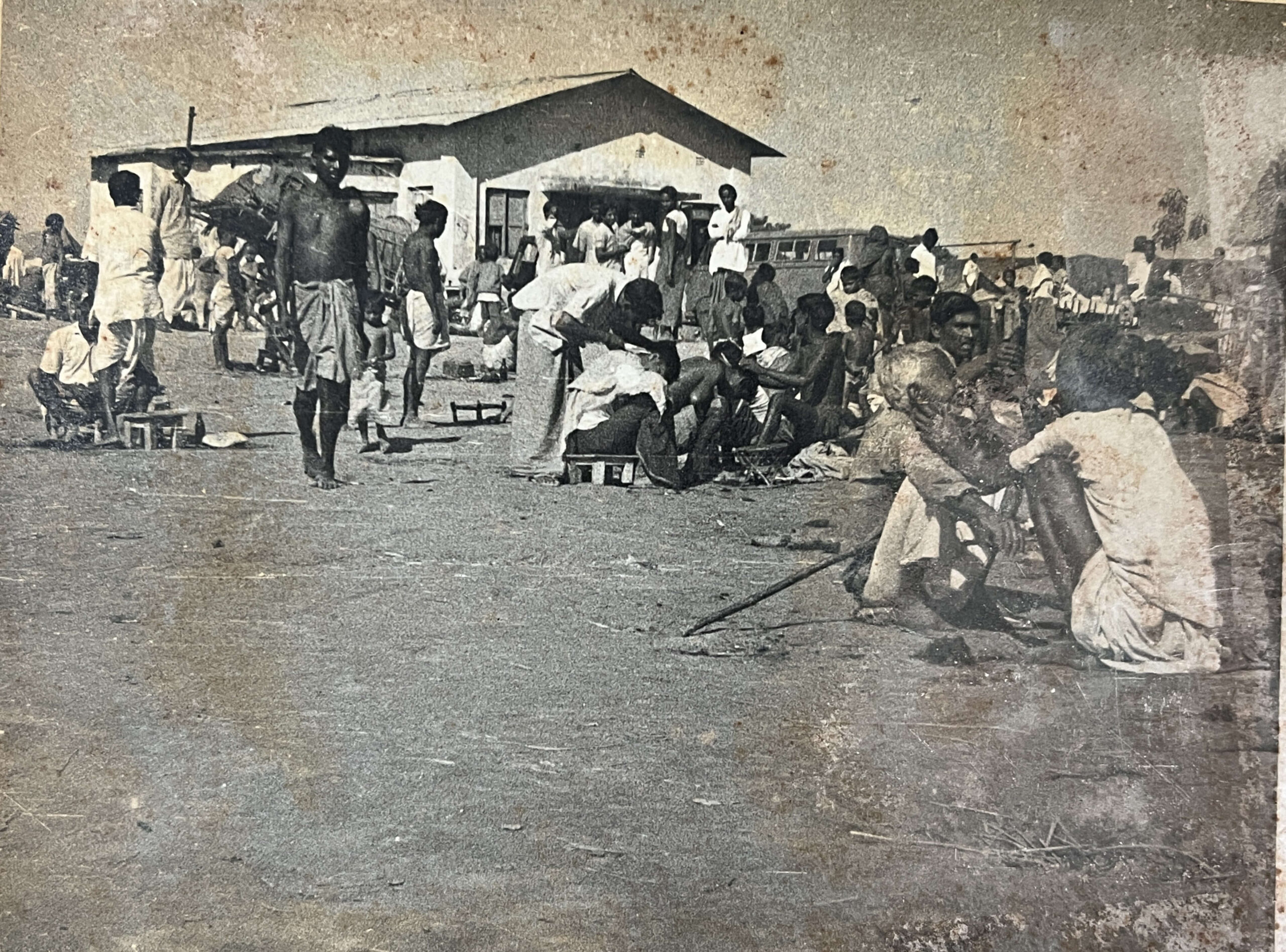
Raiganj was to be a small relief camp with Veena and Jai expecting to get back to their regular lives within a few days. But urgency takes over as bamboo shelters rise, drainage systems are built, and refugees begin earning small wages building the very camp they now live in. Cash is the camp’s lifeline. One night, Jai has to carry the bag of money meant for weekly expenses out through the back of Tulsi's house, while Veena waits anxiously near the parked Jonga. Between bumps on the road, they talk about home, and how they'd miss the monsoon on the border. Then a message arrives from Mother. Raiganj was never the destination.
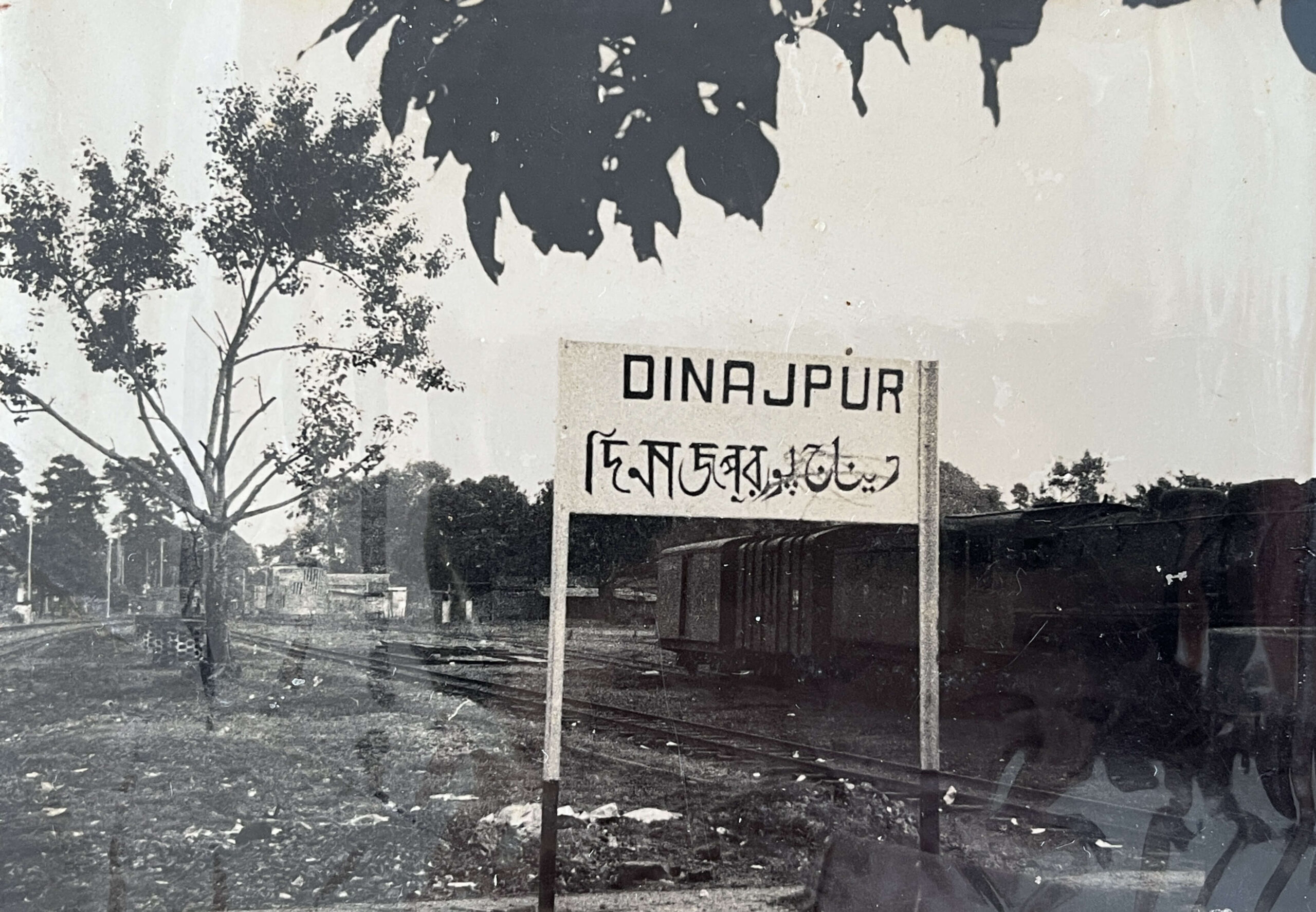
Chapter 6: The Rains in West Dinajpur
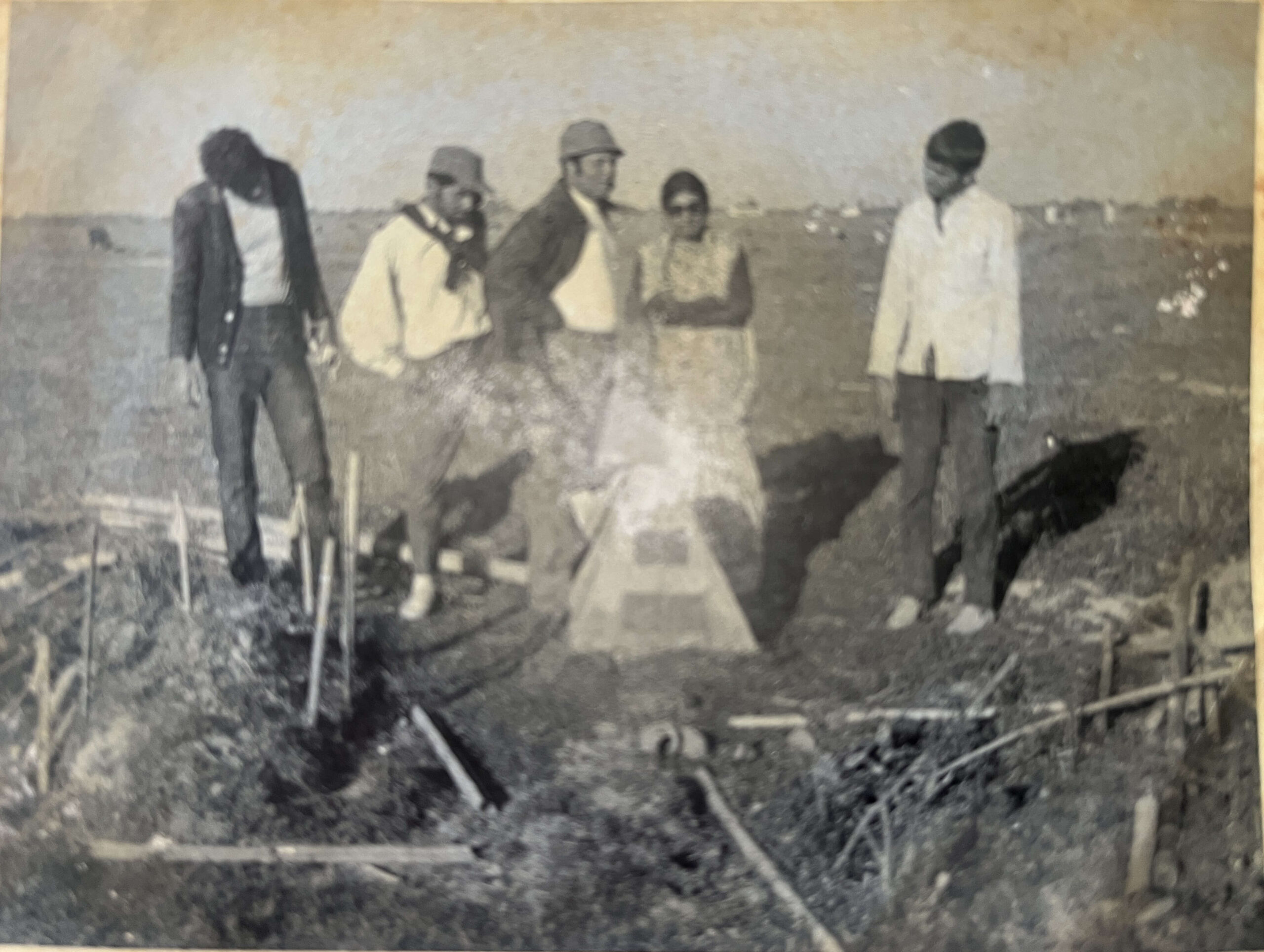
West Dinajpur is larger, closer to the border, and already heavier with rain. The new camp, meant for a few thousand families, moves fast as tent shelters rise across flooded ground. “If we keep this pace,” Douglas said, looking across the rows of half-finished shelters, “we’ll be done in two weeks.” But West Dinajpur had its own moods. On the seventh day, clouds gathered dark and low. As dusk fell, the rain became a downpour. Within an hour, the half-dug pits began to brim with water, and the trenches they had carved for drainage started to show signs of being overwhelmed. By dawn, as the red glow of the morning sun came up, the impossible had happened. As they celebrate, a message arrives from Kolkata.
Chapter 7: A city of the Displaced
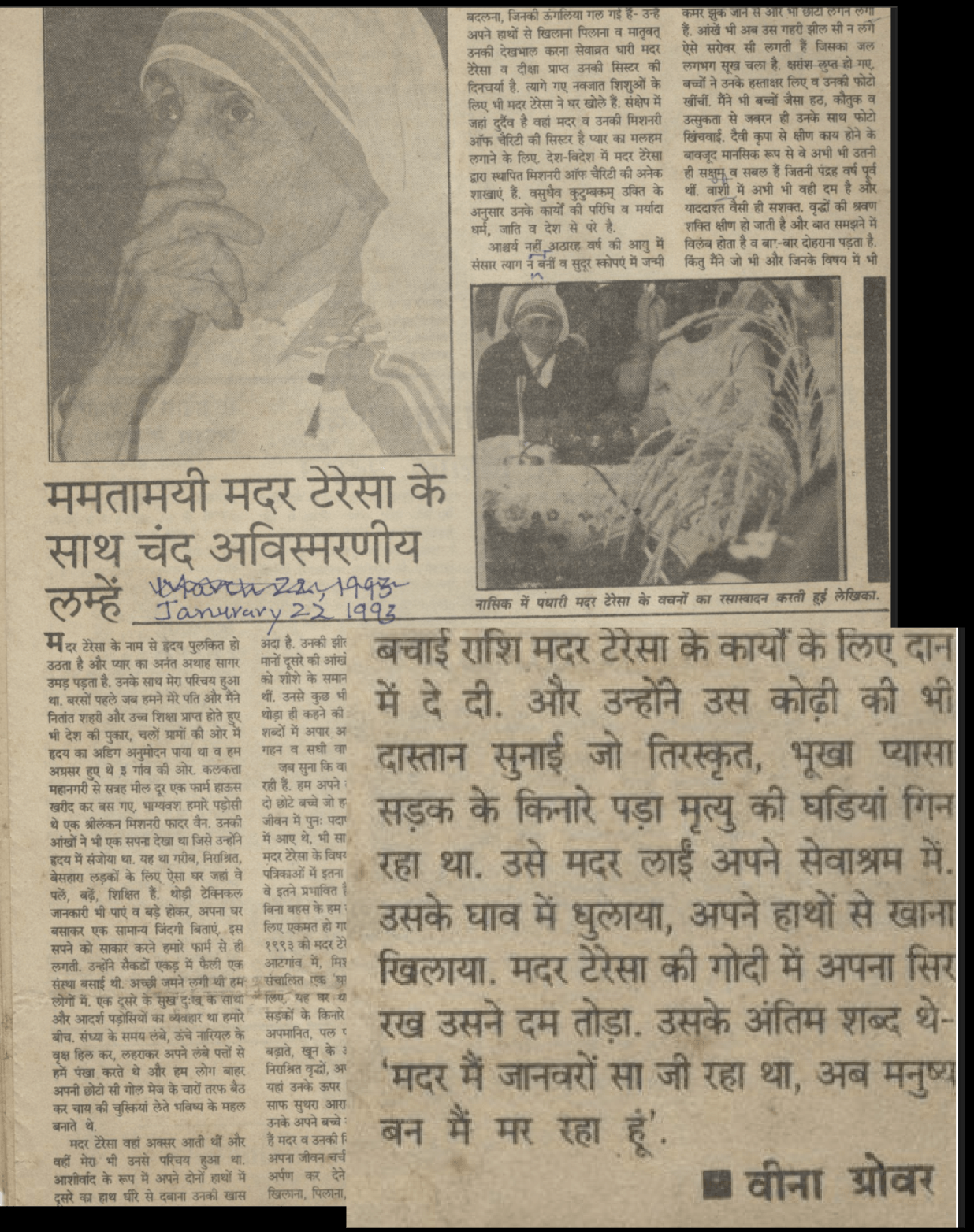
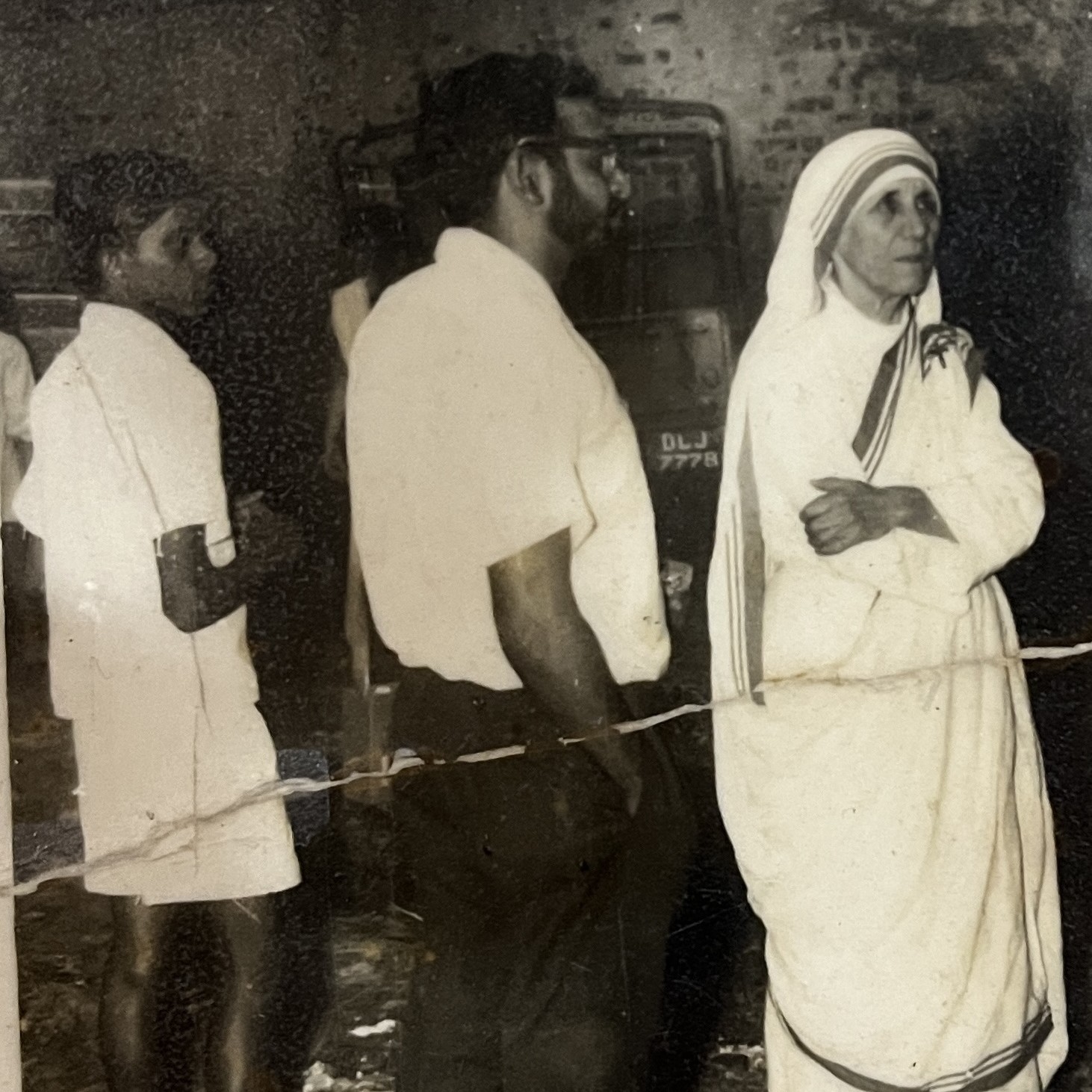
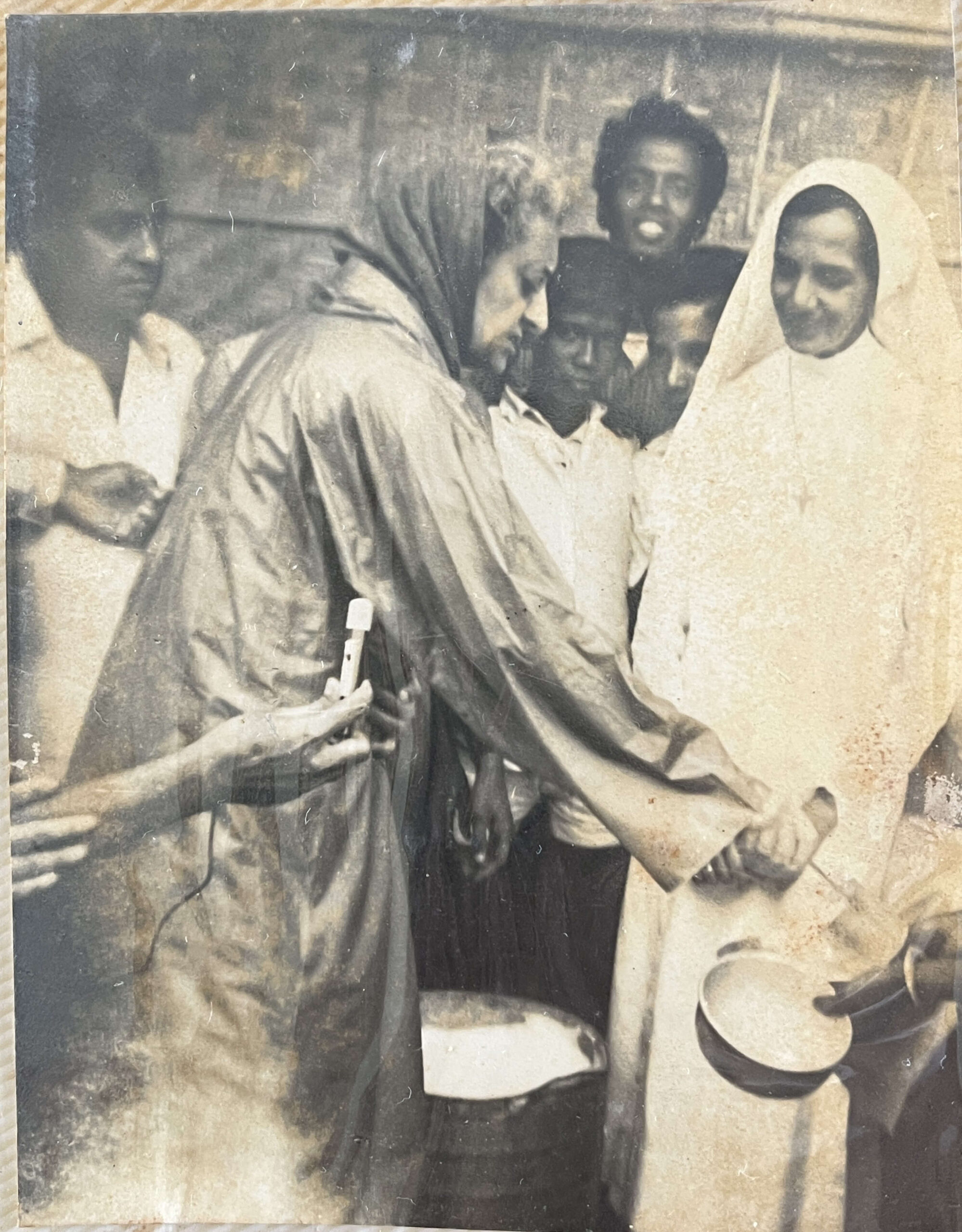
Islampur is no longer a camp but a city rising in mud, stretching across the plains with nearly three hundred thousand displaced people arriving in waves. Jai and Veena step into a scale of crisis they have never seen before. The first test comes immediately as crowds flood in, and Veena pushes ahead with emergency borewells to keep water from breaking the camp on day one. Just before dawn, a white car arrives, and Mother steps out. She walks through the tents, testing the water, saying little but seeing everything. She takes Veena's hand between hers and squeezes gently. It was how she showed affection. For the first time in days, the air smelled less of fear and more of love.
Chapter 8: Taking Wings
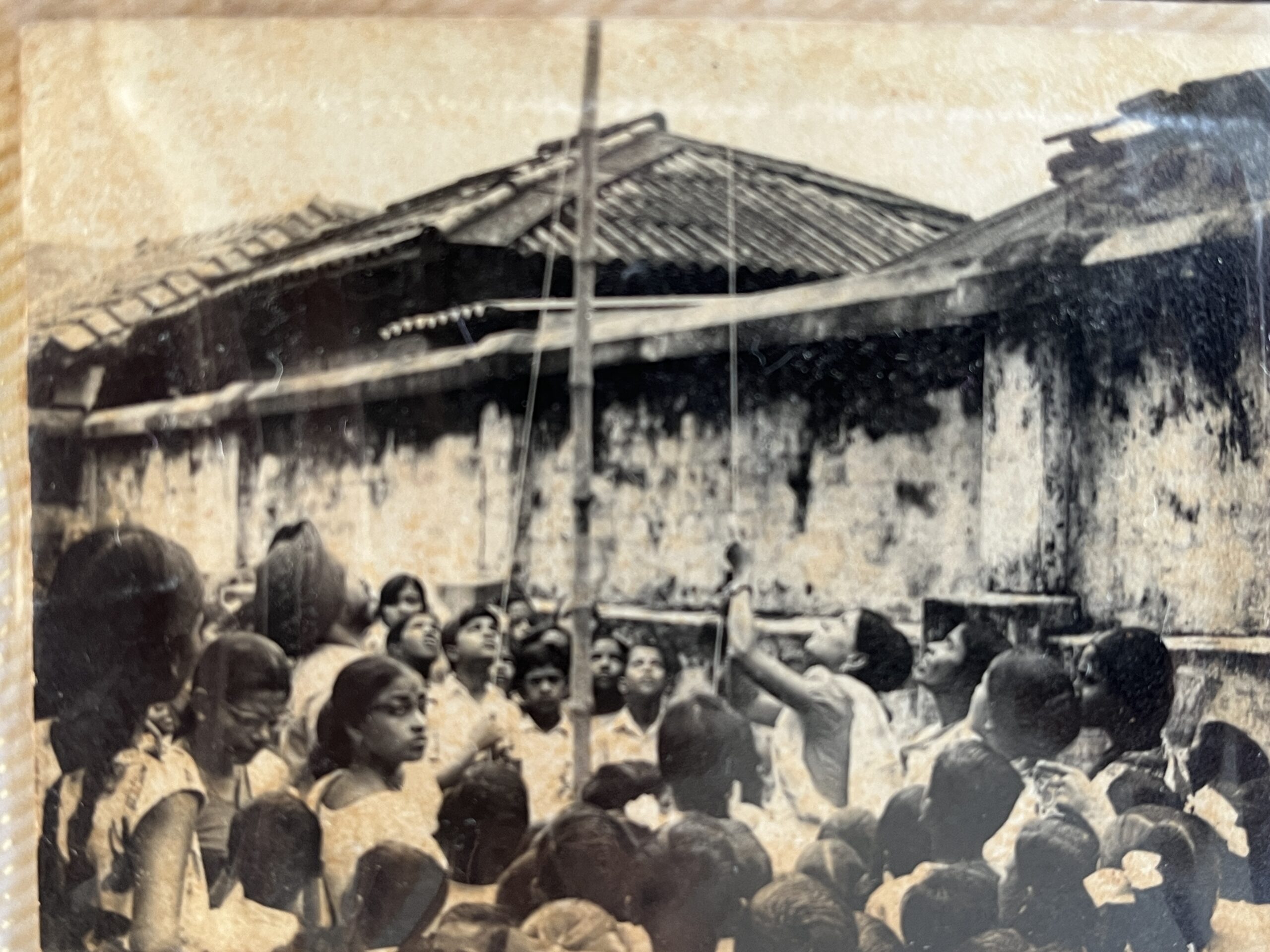
The camp at Islampur wakes each morning like a living city, its rhythm built from displaced lives trying to hold together. Veena and Jai move through it as order begins to emerge from chaos, while whispers of war closing in make even the sky feel uncertain. The sounds of airplanes, gunfire, and bombs are getting closer. Then word arrives that the Prime Minister is coming, and the camp is suddenly alive. The PM walks through without ceremony. She speaks softly to the refugees, a sign of hope in their eyes. Then she leaves as quickly as she came. Jai and Veena sit in the fading light, speaking of a war that may be ending, and lives that may never return to what they were. In the distance, a low, unfamiliar thud carries across the fields, and but they can feel hope taking wings.
Chapter 9: New Beginnings
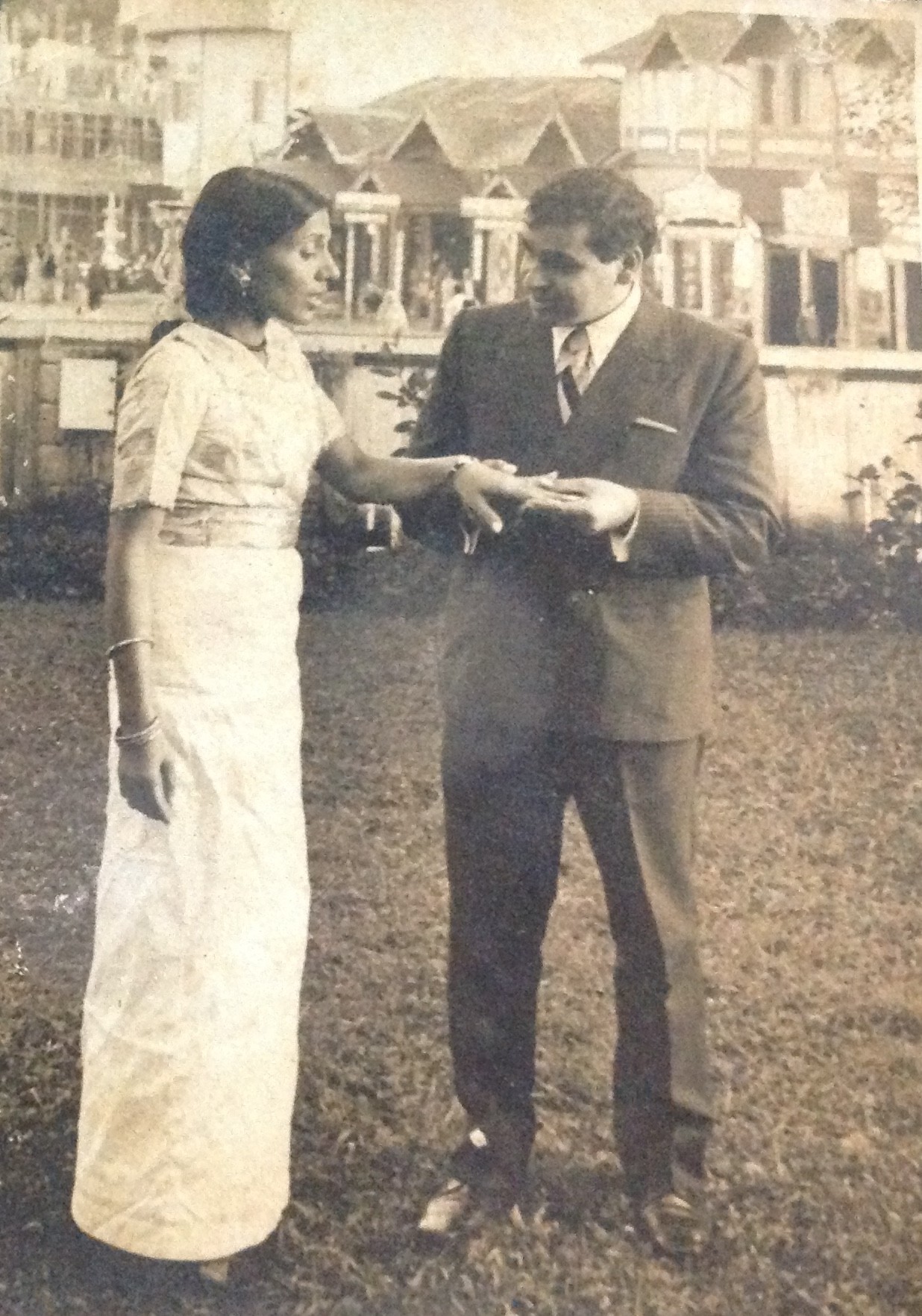
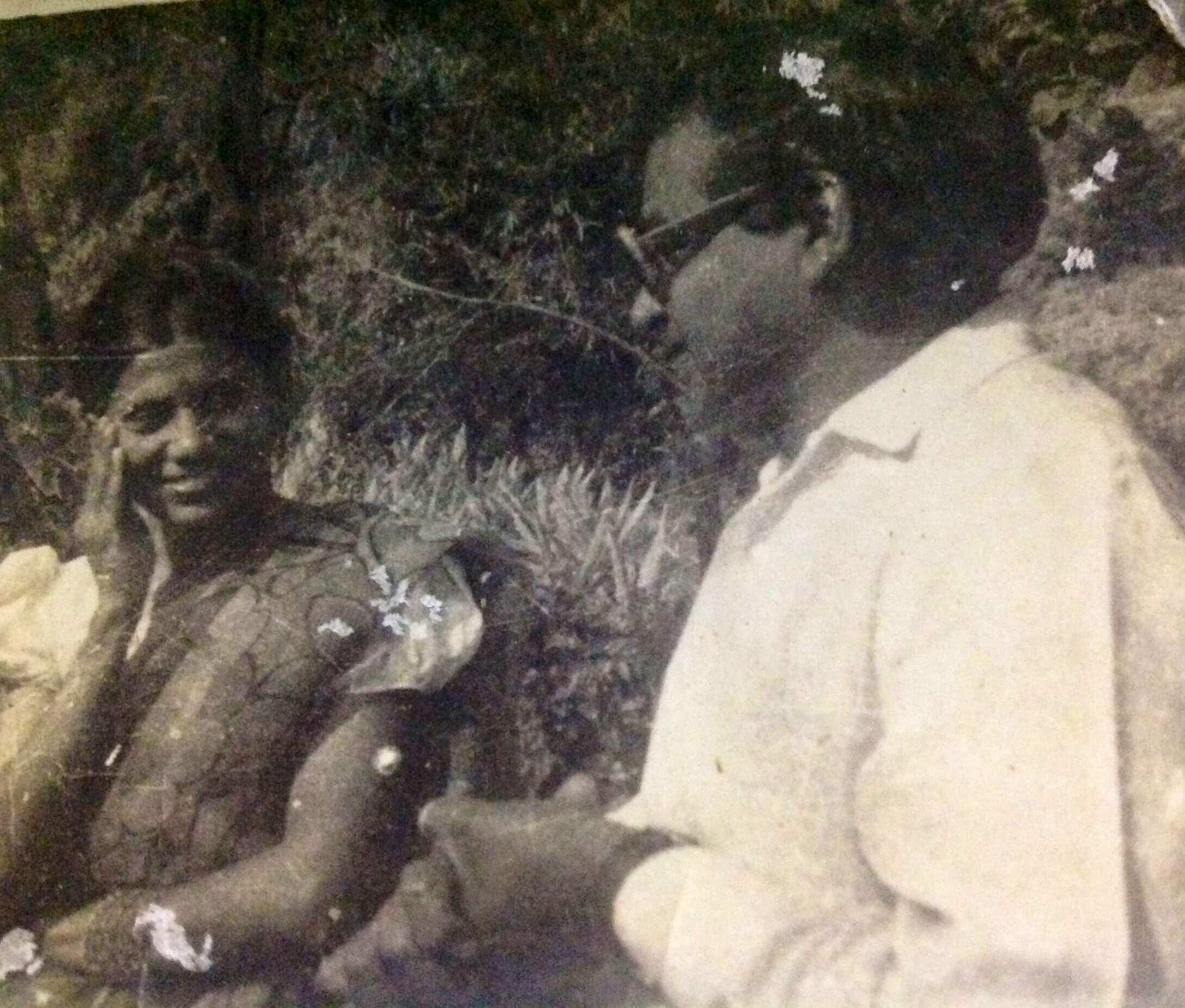
The war has ended and what remains between Jai and Veena is no longer uncertainty but an unspoken “we” shaped by months of shared work and pressure. They stay in Kolkata, working with Frères des Hommes and the Missionaries of Charity, and gradually build a life that grows out of the same places they once only served. A forgotten canvas bag of money nearly unravels everything but a frantic chase and recovery paves way to their farm near Boys Town run by Father V. They are introduced to a quieter form of rebuilding lives, where belonging comes through shared fruits of togetherness. And when they look back, it all began with a list of shortages, eyes in trees, and a jeep that wouldn’t start.